


Neurosurgery is a highly specialized branch of medicine that focuses on the diagnosis, treatment, and rehabilitation of disorders affecting the brain, spinal cord, and nervous system. The nervous system is one of the most complex systems in the human body, controlling movement, sensation, memory, emotions, and vital functions such as breathing and heartbeat. Neurosurgery plays a crucial role in treating conditions that affect these vital structures and improving the quality of life for patients.
With rapid advancements in medical technology, modern neurosurgery has become safer and more effective. Today, neurosurgeons use advanced imaging, minimally invasive techniques, and high-precision surgical tools to treat complex neurological conditions with greater accuracy and improved patient outcomes.
The nervous system is divided into two main parts:
1. Central Nervous System (CNS)This includes the brain and spinal cord. It acts as the control center of the body, processing information and coordinating responses.
2. Peripheral Nervous System (PNS)This consists of nerves that extend throughout the body and connect the brain and spinal cord to muscles and organs.
Neurosurgeons focus primarily on disorders affecting the brain, spine, and nerves that require surgical intervention.
Neurosurgeons manage many conditions that affect the brain and spine. Some of the most common disorders include:
Brain Tumors Brain tumors can be benign (non-cancerous) or malignant (cancerous). They may develop in the brain tissue or spread from other parts of the body. Symptoms often include headaches, seizures, vision problems, or weakness in certain parts of the body. Neurosurgery is often required to remove or reduce the tumor and relieve pressure on the brain.
Traumatic Brain Injury Head injuries caused by accidents, falls, or sports injuries can lead to traumatic brain injury (TBI). Severe cases may require emergency neurosurgery to remove blood clots, repair skull fractures, or relieve pressure within the brain.
Spinal Disorders Spinal conditions such as herniated discs, spinal stenosis, and degenerative disc disease can cause severe back pain and nerve compression. Neurosurgical procedures can help relieve pressure on nerves and restore mobility.
Stroke and Brain Hemorrhage A stroke occurs when blood flow to the brain is interrupted. In some cases, neurosurgeons perform procedures to remove blood clots or repair damaged blood vessels to restore circulation and prevent further damage.
Epilepsy Patients with severe epilepsy that does not respond to medication may benefit from neurosurgical procedures that remove or modify the part of the brain responsible for seizures.
Congenital Brain and Spine Disorders Some individuals are born with abnormalities such as hydrocephalus or spina bifida. Neurosurgery can help manage these conditions and improve neurological function.
Accurate diagnosis is essential before performing any neurosurgical procedure. Neurosurgeons rely on advanced diagnostic tools to evaluate brain and spinal conditions.
Magnetic Resonance Imaging (MRI) provides detailed images of the brain and spinal cord, helping doctors detect tumors, inflammation, and nerve damage.
Computed Tomography (CT Scan) is often used in emergency situations to detect bleeding, fractures, or swelling in the brain.
Electroencephalography (EEG) records electrical activity in the brain and is commonly used in the evaluation of epilepsy.
Angiography helps visualize blood vessels in the brain and detect abnormalities such as aneurysms or vascular malformations.
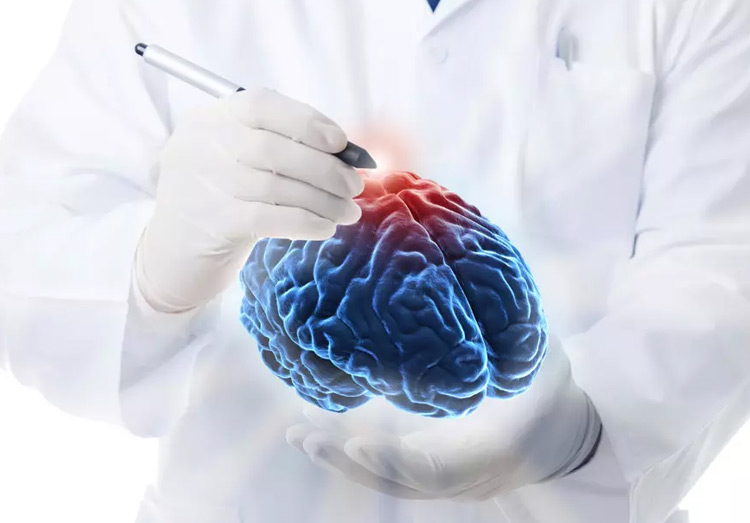
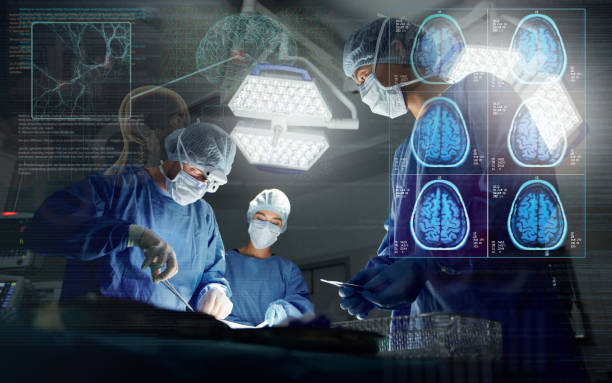
Advancements in technology have transformed neurosurgery into a highly precise and minimally invasive field.
Minimally Invasive Brain Surgery Using small incisions and specialized instruments, neurosurgeons can treat certain brain conditions with less damage to surrounding tissues. This approach leads to shorter recovery times and reduced complications.
Microsurgery Microsurgery uses powerful microscopes and delicate instruments to perform highly precise procedures on tiny structures in the brain and spinal cord.
Endoscopic Neurosurgery This technique involves inserting a small camera (endoscope) through a tiny opening to access and treat conditions inside the brain or spine.
Stereotactic Surgery Stereotactic techniques use computer-guided imaging to target specific areas of the brain with extreme precision. This method is commonly used for treating tumors and movement disorders.
Spinal Surgery Modern spinal surgeries such as microdiscectomy, spinal fusion, and laminectomy help relieve nerve compression and stabilize the spine.




Copyright © 2021 Moga Medicity Hospital. All rights reserved.