


Orthopaedics is a specialized branch of medicine that focuses on the diagnosis, treatment, prevention, and rehabilitation of conditions related to the bones, joints, muscles, ligaments, and tendons. The musculoskeletal system plays a vital role in supporting the body, enabling movement, and maintaining posture. When any part of this system is damaged due to injury, disease, or aging, it can significantly affect a person’s mobility and overall quality of life.
Joint replacement surgery is one of the most advanced treatments in orthopaedics. It is designed to relieve pain, restore joint function, and help patients return to their normal daily activities. With modern surgical techniques and improved medical technology, joint replacement procedures have become highly successful and widely performed around the world.
Joint replacement surgery, also known as arthroplasty, is a procedure in which a damaged or diseased joint is replaced with an artificial implant. These implants are designed to mimic the natural movement of the joint and are typically made from durable materials such as metal, ceramic, or high-grade plastic.
Joint replacement is most commonly performed for joints that bear weight and experience frequent movement, such as:
1. Knee joint
2. Hip joint
3. Shoulder joint
4. Elbow joint
5. Ankle joint
Among these, knee replacement and hip replacement are the most commonly performed procedures.
Joint replacement surgery is usually recommended when conservative treatments such as medication, physiotherapy, or lifestyle changes fail to relieve symptoms. Some common conditions that may lead to joint replacement include:
Osteoarthritis Osteoarthritis is the most common cause of joint replacement surgery. It occurs when the cartilage that cushions the ends of bones gradually wears away, leading to pain, stiffness, and limited mobility.
Rheumatoid Arthritis Rheumatoid arthritis is an autoimmune condition in which the immune system attacks the joints, causing inflammation, pain, and joint deformity.
Post-Traumatic Arthritis Joint damage caused by fractures, ligament injuries, or accidents can lead to arthritis over time.
Severe Joint Injury In some cases, severe injuries to the joints may require surgical replacement to restore proper function.
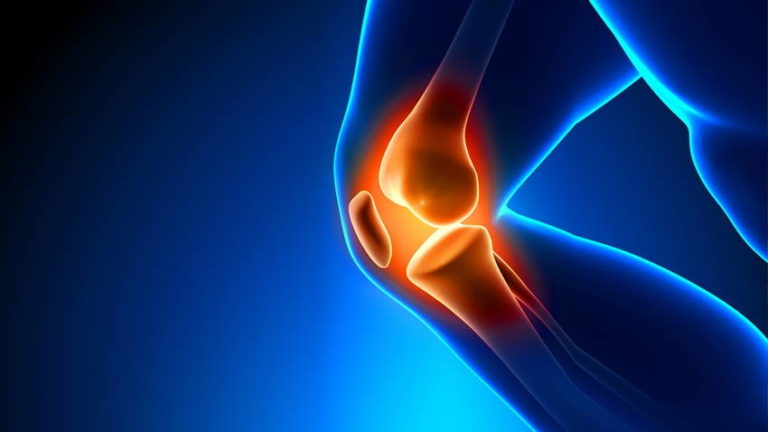

Orthopaedic surgeons perform several types of joint replacement surgeries depending on the affected joint and the severity of damage.
Total Knee Replacement
Total knee replacement involves replacing the damaged surfaces of the knee joint with artificial components. This procedure is commonly recommended for patients suffering from severe arthritis or chronic knee pain.
Benefits include reduced pain, improved mobility, and the ability to perform daily activities comfortably.
Total Hip Replacement In hip replacement surgery, the damaged hip joint is replaced with an artificial ball-and-socket implant. This procedure helps restore movement and significantly reduces pain caused by hip joint damage.
Partial Joint Replacement In some cases, only a portion of the joint is replaced instead of the entire joint. This approach is less invasive and may lead to faster recovery.
Shoulder Replacement Shoulder replacement surgery is performed to treat severe arthritis or injury affecting the shoulder joint. It helps restore arm movement and relieve chronic pain.
Orthopaedic surgery has advanced significantly in recent years due to innovations in medical technology and surgical techniques.
Minimally Invasive Surgery Minimally invasive techniques involve smaller incisions and cause less damage to surrounding tissues. This results in faster healing, reduced pain, and shorter hospital stays.
Computer-Assisted Surgery Advanced computer-guided technology helps surgeons perform joint replacement procedures with greater precision, ensuring proper alignment and improved implant positioning.
Robotic-Assisted Surgery Robotic systems assist surgeons in performing highly accurate joint replacement surgeries, improving surgical outcomes and implant longevity.
Advanced Implant Materials Modern implants are made from durable materials designed to last longer and provide better joint movement.
Recovery is an essential part of successful joint replacement surgery. Most patients begin rehabilitation soon after the procedure to regain strength and mobility.
Recovery typically involves:
Physical therapy to restore movement and flexibility
Pain management through medication and supportive care
Gradual return to daily activities under medical guidance
Joint replacement surgery offers several benefits for patients suffering from chronic joint pain and limited mobility.
These benefits include:




Copyright © 2021 Moga Medicity Hospital. All rights reserved.